
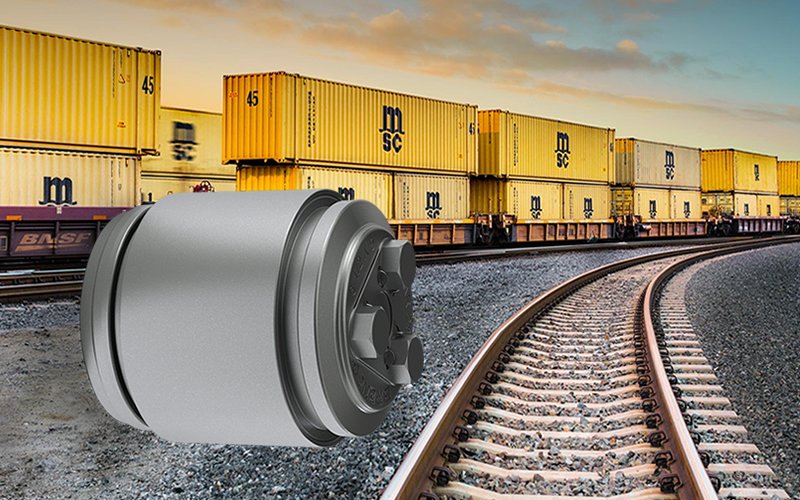
The bearing selection process is crucial to ensure the safe and efficient operation of a train, as it directly affects the ride quality, speed, and maintenance requirements. And knowing the operational parameters of the application is the number one consideration – but understanding the complex challenges that wheelset bearings face is in itself a tough task.
Firstly, the chosen bearings must be able to support high loads, while minimizing wear and tear on the rolling surface. On top of that, many passenger trains operate at high speeds, so bearings must be able to withstand high rotational speeds without overheating or failing. Bearings are exposed to a range of environmental conditions, including extreme temperatures, moisture, and dust, which they must be able to contend with to perform as expected – and now for longer periods of time. This is largely down to the growing trend of waiting to repair or change both the wheel and the bearing at the same time – as to avoid two trips to the coach yard. For that reason, maintenance intervals for bearings are increasingly long as wheel technology improves.